

Eyes on Earth
View Sequence overviewStudents will:
- describe what they know about planet Earth.
- construct questions about their home planet.
Students will represent their understanding as they:
- create a collage sharing their ideas about the Earth’s size, shapes and colours.
- label their collage with their ideas and questions about the planet Earth.
In the Launch phase, assessment is diagnostic.
Take note of:
- the key words students are using to describe what they understand about Earth, such as: star, moon, planet, rock, space, sun, sphere, ball, round.
- the questions students ask about the planet Earth.
- the images that students produce about Earth and nearby related objects in space.
Whole class
Class science journal (digital or hard-copy)
Demonstration copy of the Our home planet Earth Resource sheet
Demonstration copy of the Australians in space Resource sheet
A collection of images to be used in a discussion about the concept of ‘home’ as a place where we get what is needed for survival. Select and display images that are suitable for your students and context, such as images of houses, duplexes, apartment blocks. Be aware that an alternative context might be required for some students. Images of the school can also be used.
Each student
Individual science journal (digital or hard-copy)
Art materials to create an image of Earth. These might include:
- paper plates
- paints
- magazines
- scissors
- glue
- pencils/textas
- paper
Lesson
The Launch phase is designed to increase the science capital in a classroom by asking questions that elicit and explore students’ experiences. It uses local and global contexts and real-world phenomena that inspire students to recognise and explore the science behind objects, events and phenomena that occur in the material world. It encourages students to ask questions, investigate concepts, and engage with the Core Concepts that anchor each unit.
The Launch phase is divided into four routines that:
- ensure students experience the science for themselves and empathise with people who experience the problems science seeks to solve (Experience and empathise)
- anchor the teaching sequence with the key ideas and core science concepts (Anchor)
- elicit students’ prior understanding (Elicit)
- and connect with the students’ lives, languages and interests (Connect).
Students arrive in the classroom with a variety of scientific experiences. This routine provides an opportunity to plan for a common shared experience for all students. The Experience may involve games, role-play, local excursions or yarning with people in the local community. This routine can involve a chance to Empathise with the people who experience the problems science seeks to solve.
When designing a teaching sequence, consider what experiences will be relevant to your students. Is there a location for an excursion, or people to talk to as part of an incursion? Are there local people in the community who might be able to talk about what they are doing? How could you set up your classroom to broaden the students’ thinking about the core science ideas? How could you provide a common experience that will provide a talking point throughout the sequence?
Read more about using the LIA FrameworkThe Elicit routine provides opportunities to identify students’ prior experiences, existing science capital and potential alternative conceptions related to the Core concepts. The diagnostic assessment allows teachers to support their students to build connections between what they already know and the teaching and learning that occurs during the Inquire cycle.
When designing a teaching sequence, consider when and where students may have been exposed to the core concepts and key ideas in the past. Imagine how a situation would have looked without any prior knowledge. What ideas and thoughts might students have used to explain the situation or phenomenon? What alternative conceptions might your students hold? How will you identify these?
The Deep connected learning in the ‘Pedagogical Toolbox: Deep connected learning’ provides a set of tools to identify common alternative conceptions to aid teachers during this routine.
Read more about using the LIA FrameworkHome sweet home
Review with students the things that humans need to stay alive, including food, water, air, shelter and space. Discuss how many consider that humans need love and care in order to not just survive, but to thrive. Students should have learned about this in Year 1. See the Year 1 Biological sciences sequence Survive and thrive for more details.
Use appropriate images to introduce the concept of home as the place where students are provided with the things they need to survive. Select and display images that are suitable for your students and context. This might include images of houses, duplexes, apartment blocks. etc.
Note on home sensitivity: Thinking and discussing their homes may not always be an appropriate option for some students. Adapt according to the needs of your learners. An alternative context could be to focus on the school environment.
- How does this place provide the things we need to survive?
- Who is there that helps provide these things?
- How do they provide them?
- What makes it a safe/special place?
- Do different parts of this place provide different things?
Display an image of Earth, as found on the Our home planet Earth Resource sheet. Discuss the Earth as our shared planet home, using the same/similar question prompts as earlier to consider how and who provides for the things humans need to stay alive.
Invite students to create collages or drawings to show what they already know about planet Earth. Students use available art materials to create an image of Earth from an astronaut’s point of view. They should label the features they have included in their images, and answer the question How does planet Earth provide the things that humans need to survive?
Core concepts and key ideas
Where does this sequence fit into the larger picture of science and the science curriculum?

When planning for teaching in your classroom, it can be useful to see where a sequence fits into the larger picture of science. This unit is anchored to the Science understanding core concepts for Earth and space sciences.
- Earth is part of an astronomical system; interactions between Earth and celestial bodies influence the Earth system.
- The Earth system comprises dynamic and interdependent systems; interactions between these systems cause continuous change over a range of scales.
By Year 2, students have already described daily and seasonal changes in the environment and explored how these changes affect everyday life.
In Year 2, students recognise Earth as a planet in the solar system and identify patterns in celestial bodies (moons, planets and stars) that influence the Earth System.
This core concept is linked to the key science ideas:
- Some patterns can only be observed over certain time scales. (Patterns, order and organisation)
- Relative language can be used to compare objects and phenomena and describe change (bigger/smaller, faster/slower). (Scale and measurement)
- Phenomena may change slowly or rapidly, and some things appear to remain the same. (Stability and change)
- Relationships between parts can be identified and represented. (Systems)
When your students next progress through this core concept, they will investigate the movement of Earth and other planets relative to the Sun and model how Earth’s tilt, rotation on its axis and revolution around the Sun relate to cyclic observable phenomena, including variable day and night length (Year 6).
When planning for teaching in your classroom, it can be useful to see where a sequence fits into the larger picture of science. This unit is anchored to the Science understanding core concepts for Earth and space sciences.
- Earth is part of an astronomical system; interactions between Earth and celestial bodies influence the Earth system.
- The Earth system comprises dynamic and interdependent systems; interactions between these systems cause continuous change over a range of scales.
By Year 2, students have already described daily and seasonal changes in the environment and explored how these changes affect everyday life.
In Year 2, students recognise Earth as a planet in the solar system and identify patterns in celestial bodies (moons, planets and stars) that influence the Earth System.
This core concept is linked to the key science ideas:
- Some patterns can only be observed over certain time scales. (Patterns, order and organisation)
- Relative language can be used to compare objects and phenomena and describe change (bigger/smaller, faster/slower). (Scale and measurement)
- Phenomena may change slowly or rapidly, and some things appear to remain the same. (Stability and change)
- Relationships between parts can be identified and represented. (Systems)
When your students next progress through this core concept, they will investigate the movement of Earth and other planets relative to the Sun and model how Earth’s tilt, rotation on its axis and revolution around the Sun relate to cyclic observable phenomena, including variable day and night length (Year 6).
Student conceptions and alternative conceptions
What alternative conceptions might students hold about Earth and the changing positions of celestial objects, and how does this sequence address them?
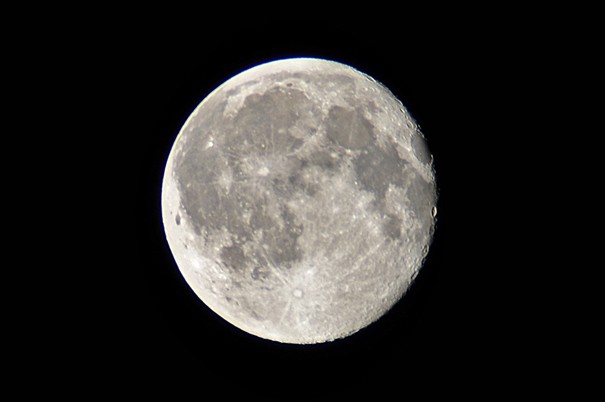
Taking account of students’ existing ideas is important in planning effective teaching approaches which help students learn science. Students develop their own ideas during their experiences in everyday life and might hold more than one idea about an event or phenomenon.
When planning for a lesson, consider where common alternative conceptions or misconceptions might appear. Build in questions or activities that help bring these ideas to the surface, rather than waiting for them to appear on their own.
Some common alternative concepts include:
- All planets are the same as Earth.
- The Sun is too far away at night for its light to be seen.
- The Sun goes behind a hill at night.
- Clouds cover the Sun at night.
- The Moon covers the Sun at night.
- The Sun goes around the Earth once a day.
- The Earth goes around the Sun once a day.
When you do notice an alternative conception, take time to explore it with the class. You might:
- give students plenty of chances to talk and compare ideas and experiences in pairs or small groups. While they’re discussing, move around the room and listen in—this is often the best way to observe misunderstandings.
- encourage students to explain their thinking and help each other work out why an idea might not be quite right. This could be followed up with practical activities or additional Inquire phase lessons so students can see for themselves how their understanding has changed.
- most importantly, create a positive classroom culture where students identify their ideas as what they think they know and always encourage students to back up their ideas with evidence. In earlier years, this evidence will be experiential and observational, and will become more scientific as students progress. Doing this encourages students to see learning as a journey where asking questions, investigating to find answers and accepting new evidence and ideas is important.
Taking account of students’ existing ideas is important in planning effective teaching approaches which help students learn science. Students develop their own ideas during their experiences in everyday life and might hold more than one idea about an event or phenomenon.
When planning for a lesson, consider where common alternative conceptions or misconceptions might appear. Build in questions or activities that help bring these ideas to the surface, rather than waiting for them to appear on their own.
Some common alternative concepts include:
- All planets are the same as Earth.
- The Sun is too far away at night for its light to be seen.
- The Sun goes behind a hill at night.
- Clouds cover the Sun at night.
- The Moon covers the Sun at night.
- The Sun goes around the Earth once a day.
- The Earth goes around the Sun once a day.
When you do notice an alternative conception, take time to explore it with the class. You might:
- give students plenty of chances to talk and compare ideas and experiences in pairs or small groups. While they’re discussing, move around the room and listen in—this is often the best way to observe misunderstandings.
- encourage students to explain their thinking and help each other work out why an idea might not be quite right. This could be followed up with practical activities or additional Inquire phase lessons so students can see for themselves how their understanding has changed.
- most importantly, create a positive classroom culture where students identify their ideas as what they think they know and always encourage students to back up their ideas with evidence. In earlier years, this evidence will be experiential and observational, and will become more scientific as students progress. Doing this encourages students to see learning as a journey where asking questions, investigating to find answers and accepting new evidence and ideas is important.
The Launch phase is designed to increase the science capital in a classroom by asking questions that elicit and explore students’ experiences. It uses local and global contexts and real-world phenomena that inspire students to recognise and explore the science behind objects, events and phenomena that occur in the material world. It encourages students to ask questions, investigate concepts, and engage with the Core Concepts that anchor each unit.
The Launch phase is divided into four routines that:
- ensure students experience the science for themselves and empathise with people who experience the problems science seeks to solve (Experience and empathise)
- anchor the teaching sequence with the key ideas and core science concepts (Anchor)
- elicit students’ prior understanding (Elicit)
- and connect with the students’ lives, languages and interests (Connect).
Science education consists of a series of key ideas and core concepts that can explain objects, events and phenomena, and link them to the experiences encountered by students in their lives. The purpose of the Anchor routine is to identify the key ideas and concepts in a way that builds and deepens students’ understanding. During the Launch phase, the Anchor routine provides a lens through which to view the classroom context, and a way to frame the key knowledge and skills students will be learning.
When designing a teaching sequence, consider the core concepts and key ideas that are relevant. Break these into small bite-sized pieces that are relevant to the age and stage of your students. Consider possible alternative concepts that students might hold. How could you provide activities or ask questions that will allow students to consider what they know?
Each student comes to the classroom with experiences made up from science-related knowledge, attitudes, experiences and resources in their life. The Connect routine is designed to tap into these experiences and that of their wider community. It is also an opportunity to yarn with community leaders (where appropriate) to gain an understanding of the student’s lives, languages and interests. In the Launch phase, this routine identifies and uses the science capital of students as the foundation of the teaching sequence so students can appreciate the relevance of their learning and its potential impact on future decisions. In short, this routine moves beyond scientific literacy and increases the science capital in the classroom and science identity of the students.
When planning a teaching sequence, take an interest in the lives of your students. What are their hobbies, how do they travel to and from school? What might have happened in the lives of your students (i.e. blackouts) that might be relevant to your next teaching sequence? What context might be of interest to your students?
Read more about using the LIA FrameworkMission: Observation Earth
Ask students if they have heard of astronauts before and what they think astronauts do during a day at work.
Introduce the work of some significant Australian astronauts by reading the profiles on the Australians in space Resource sheet. The information in these profiles has been drawn from the Australian Space Agency and NASA.
Compare students’ initial ideas with details of what astronauts actually do. Focus on the following:
- Katherine Bennell-Pegg is an astronaut who, as of March 2026, has never actually been to space. She uses space technologies to gather information/data and make observations about Earth, learning more about our planet.
- On his journey into space Paul Scully-Power gathered information/data and made observations about Earth, in particular the spiral eddies in our oceans.
- Andy Thomas’ work probably looks most like what people expect an astronaut to do. When he was in space he was still a scientist carrying out investigations. His work also helped many other scientist/astronauts who came after him to carry out research in space.
Highlight the fact that a lot of the work astronauts do is actually focused on understanding Earth. Explain that scientists are exploring space by sending rockets to take pictures of everything in Earth’s neighbourhood.
Introduce the context of the sequence, that is, that students will be working as junior astronauts and that their mission is to investigate and make observations about planet Earth so that we can understand it better and record of our understanding to share with others.
The Launch phase is designed to increase the science capital in a classroom by asking questions that elicit and explore students’ experiences. It uses local and global contexts and real-world phenomena that inspire students to recognise and explore the science behind objects, events and phenomena that occur in the material world. It encourages students to ask questions, investigate concepts, and engage with the Core Concepts that anchor each unit.
The Launch phase is divided into four routines that:
- ensure students experience the science for themselves and empathise with people who experience the problems science seeks to solve (Experience and empathise)
- anchor the teaching sequence with the key ideas and core science concepts (Anchor)
- elicit students’ prior understanding (Elicit)
- and connect with the students’ lives, languages and interests (Connect).
Identifying and constructing questions is the creative driver of the inquiry process. It allows students to explore what they know and how they know it. During the Inquire phase of the LIA Framework, the Question routine allows for past activities to be reviewed and to set the scene for the investigation that students will undertake. The use of effective questioning techniques can influence students’ view and interpretation of upcoming content, open them to exploration and link to their current interests and science capital.
When designing a teaching sequence, it is important to spend some time considering the mindset of students at the start of each Inquire phase. What do you want students to be thinking about, what do they already know and what is the best way for them to approach the task? What might tap into their curiosity?
Read more about using the LIA FrameworkWhat to observe?
Support students to generate questions and observations they would like to make about Earth.
You might prompt their thinking by:
- asking about things they want to investigate about planet Earth and how it works (e.g. How does the sky change during the day and night? and How does the sky change during the night?).
- asking what they would like to observe or learn about their planet and beyond (e.g. How long does it take to get to the Moon, or to Mars? Can plants grow on the Moon?).
- generating questions about space and the planet Earth using the ‘I wonder’ statements.
Reflect on the lesson
You might:
- begin a class word and image wall related to Earth and space.
- review the work of the astronauts discussed during the lesson.